Thai Healing Center
Thai Massage History
A Sacred Tradition of Healing, Movement, and Balance
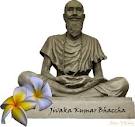 Nuad Boran, often referred to as Traditional Thai Massage, is a respected healing art with roots that reach back more than 2,500 years. It is traditionally associated with Jivaka Kumar Bhaccha, an Ayurvedic physician who is honoured in Thai healing lineage as the personal doctor to the Buddha. Over the centuries, this sacred knowledge was passed from teacher to student through an oral tradition, preserving not only practical techniques, but also a deeper understanding of balance, compassion, and holistic well-being.
Traditional Thai Massage developed through the blending of influences from Ayurveda, Buddhist spiritual practice, and ancient systems of bodywork that travelled through India and Southeast Asia. In Thailand, these teachings became part of a living healing tradition practiced in families, villages, and temples. Rather than focusing only on muscles and joints, Nuad Boran has long been understood as a way of supporting the whole person by encouraging harmony within the body, mind, and spirit.
In 1832, King Rama III recognized that important healing knowledge was in danger of being lost. To preserve it, he ordered the remaining teachings of Thai medicine and massage to be collected and inscribed at Wat Pho in Bangkok. These inscriptions, diagrams, and teachings helped protect Thailand’s healing wisdom for future generations. Wat Pho remains one of the most important and respected centers for the study and practice of Traditional Thai Massage, and many of the original stone carvings and teachings can still be seen there today.
Traditional Thai Massage is sometimes described as a form of assisted yoga, but it is much more than stretching alone. Through rhythmic compression, acupressure, gentle rocking, energy line work, and assisted movement, the treatment is designed to help release tension, improve flexibility, encourage circulation, and restore a sense of balance throughout the body. The practice is traditionally given with mindfulness and metta, or loving-kindness, reflecting the healing spirit at the heart of Thai tradition.
These traditional methods can still be experienced today through Thai Yoga Massage and other Thai healing treatments. Their benefits may be further enhanced through the use of a warmed Thai Herbal Compress, filled with a traditional blend of aromatic herbs valued for their soothing, comforting, and rejuvenating qualities. Other forms of Thai Massage may focus on specific areas of the body, including the feet, face, head, or shoulders.
Both rejuvenating and grounding, Traditional Thai Massage offers more than physical relief alone. It is a time-honoured healing practice that can help reduce stress, ease muscular tension, improve mobility, and support a deeper sense of relaxation, balance, and overall well-being.

© 2026 Thai Healing Center Thunder Bay, Ontario